Noticias · The Langham· (English original)
Indonesia's Luxury Hotel Sector Outpaces Regional Recovery
Indonesia's luxury hotel market has fully recovered to pre-pandemic occupancy levels, signaling robust demand for high-end travel. This resurgence positions the country as a competitive player in global luxury tourism.
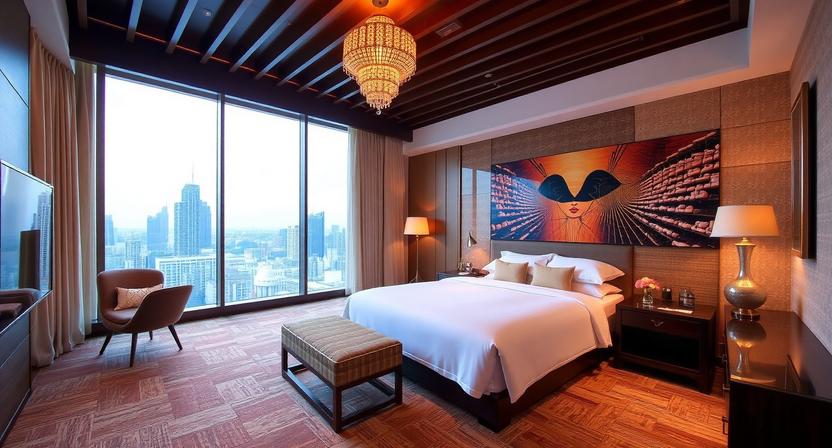
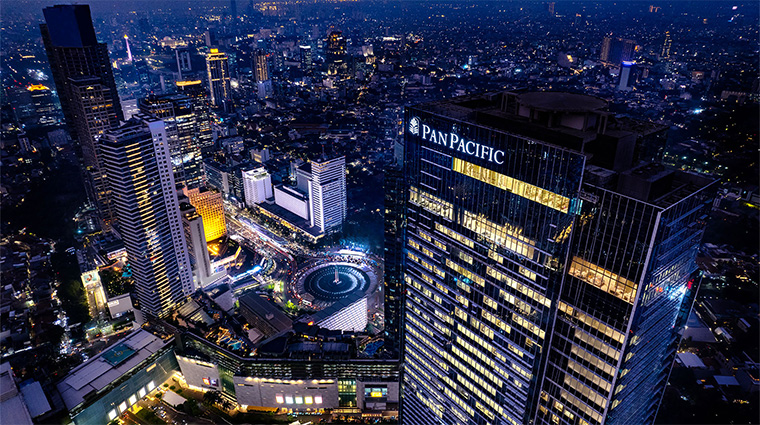
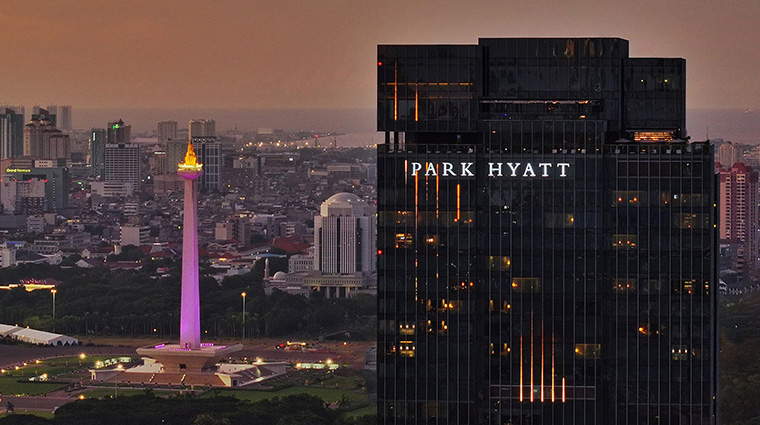
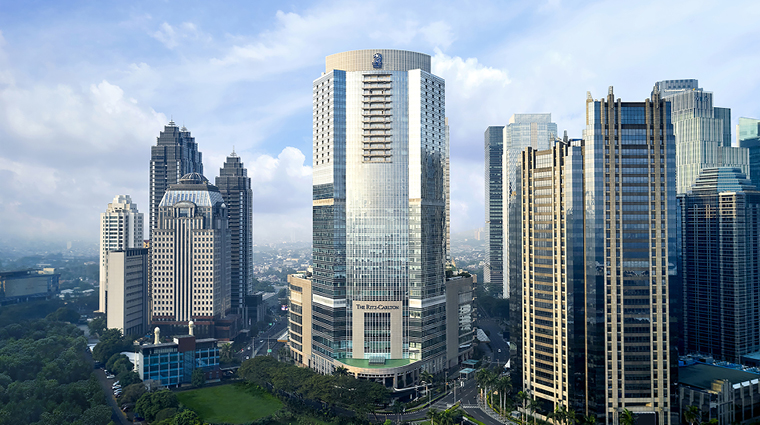
A modern, high-rise luxury hotel in Jakarta, reflecting the city's skyline at dusk.
Announced May 18, 2026, Indonesia's luxury hotel sector has fully rebounded to its pre-COVID-19 occupancy rates. According to Travel And Tour World, data from the Indonesia Tourism Xchange (ITX) 2026 in Jakarta confirms this recovery, with mid-range and economy segments still lagging behind their 2019 figures. The luxury segment's rapid resurgence highlights its critical role in the country's tourism economy.
This recovery is bolstered by higher average daily rates (ADR) and stable occupancy. Overall hotel ADR saw a 42 percent increase compared to 2019, primarily due to luxury properties introducing new high-end products and experiences, Travel And Tour World reports. While government travel spending dipped in 2025, indirectly boosting ADR by prioritizing leisure and international guests, its resumption in 2026 is expected to further support growth in premium offerings.
Jakarta's luxury hotels are a significant driver of this trend. For example, The Langham Jakarta projects a 10 percent occupancy growth in 2026, with April 2026 nearing 80 percent occupancy, according to Travel And Tour World. This performance reflects Jakarta's emergence as more than just a business hub; affluent travelers now seek cultural immersion and curated urban experiences.
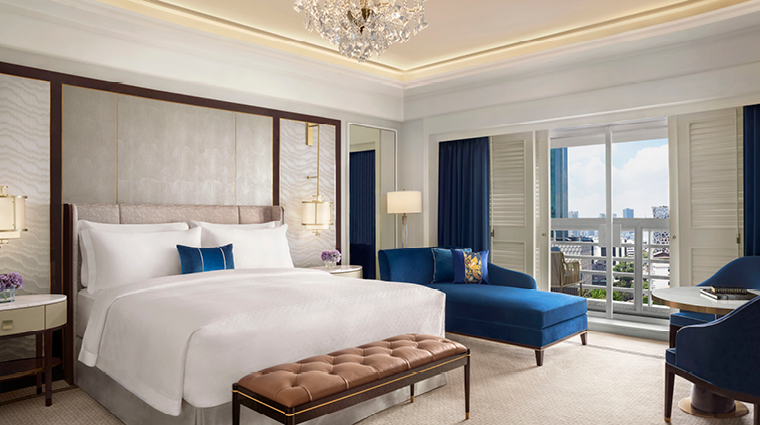
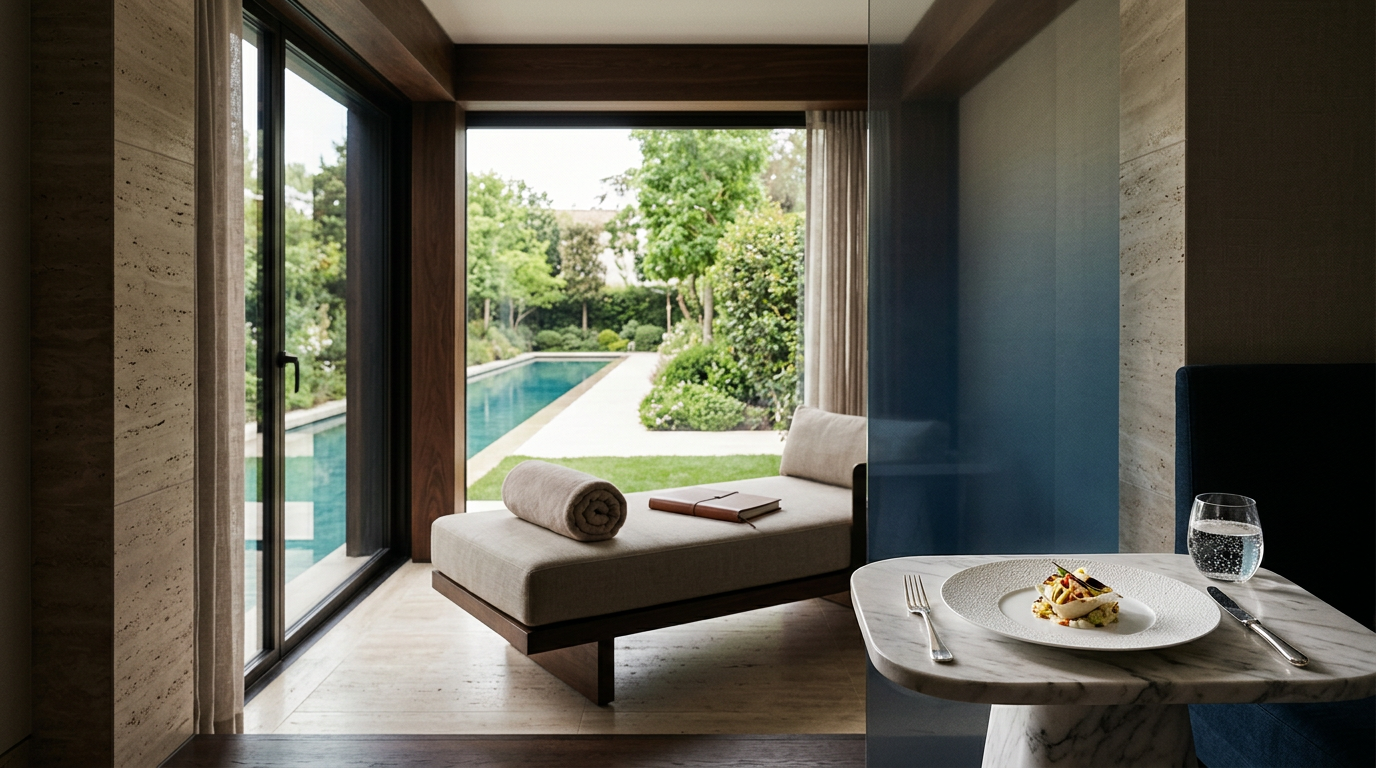
The focus within Indonesia's luxury hospitality sector has shifted from visual opulence to experience-driven offerings. Travelers expect personalized services, local cultural integration, and unique experiences, including heritage walks, design tours, and culinary explorations. Hotels that adapt to these demands are better positioned to attract high-value guests and increase RevPAR.
What this means: The expansion of branded residences, particularly in Bali, further reinforces this growth. Travel And Tour World notes that Indonesia accounts for $1.4 billion across more than 1,145 launched units within Asia's approximately $40 billion branded residences market. These properties provide long-stay options and investment opportunities, enhancing Indonesia's competitive edge in global luxury tourism. The high-spending visitors drawn by this sector directly benefit hotels, restaurants, transport, and cultural attractions, spreading economic gains beyond established tourist centers.
Source : Travel And Tour World
Compartir