Actualités · Aman· (English original)
Aman Resorts Sheds Seclusion for City Skylines, Redefining Urban Luxury
The ultra-luxury brand, long synonymous with remote sanctuaries, is planting flags in global hubs like Dubai, Tokyo, and Beverly Hills. This strategic pivot promises its signature serenity within bustling metropolitan environments.
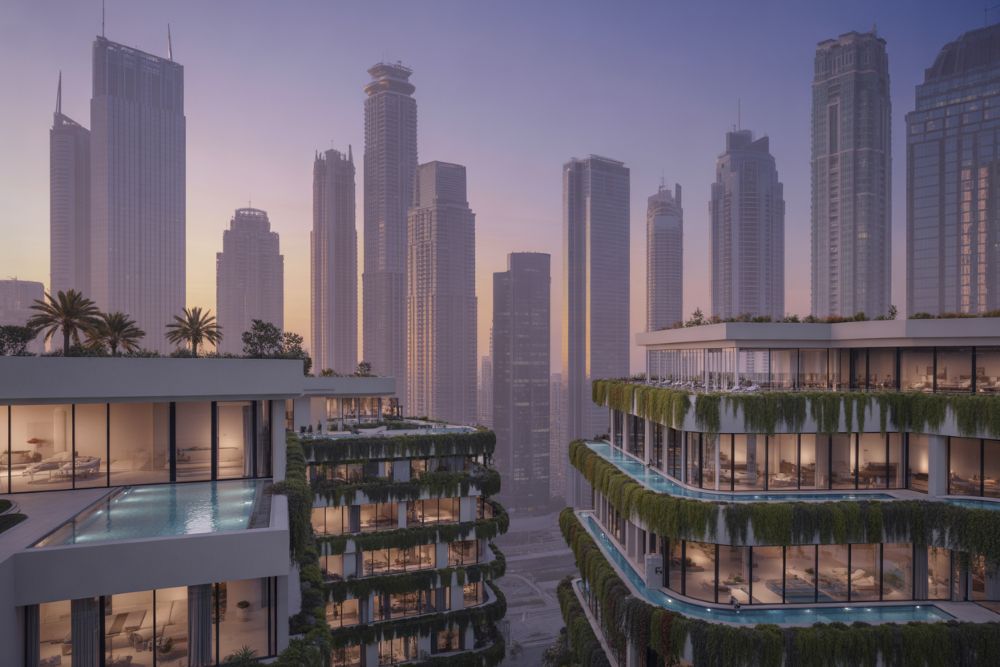
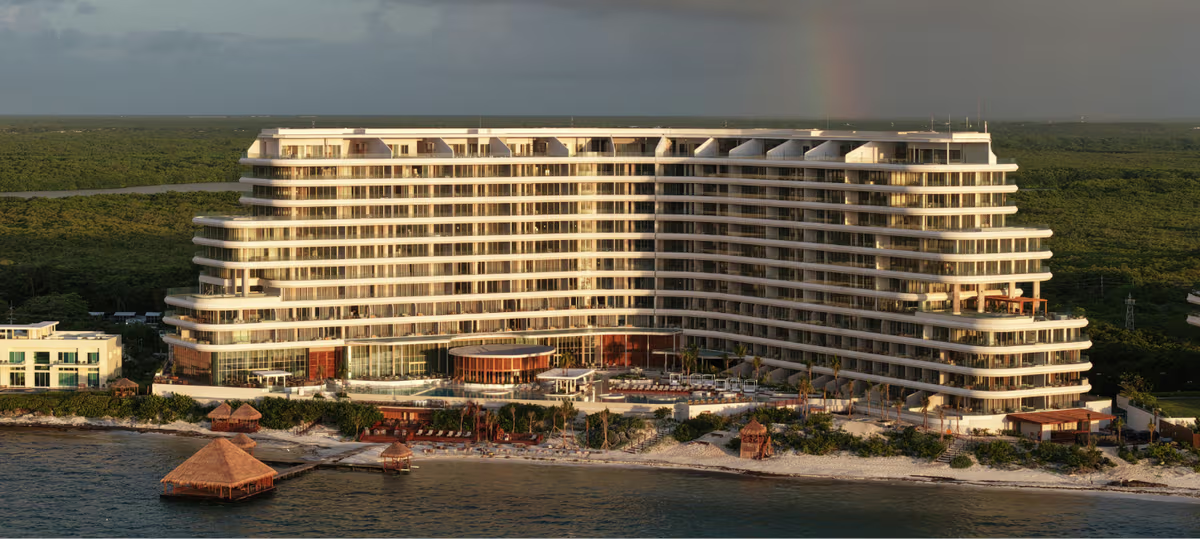
A sleek, minimalist skyscraper featuring a rooftop pool and green spaces, reflecting a modern interpretation of luxury urban living.
On May 22, 2026, Aman Resorts, the ultra-luxury hospitality brand, announced a significant expansion from its traditional secluded retreats into major urban centers. This move introduces a new generation of city-based sanctuaries designed to export Aman’s hallmark privacy, serenity, and exclusivity into some of the world’s most dynamic metropolitan environments. The shift reflects an evolution for Aman Group Sàrl, which historically focused on remote resorts in distinct cultural and geographical locales.
Since its 1988 debut with Amanpuri in Phuket, Thailand, Aman has been identified with minimalist architecture and highly personalized service in naturally beautiful, often remote, settings. The brand has expanded to over 20 countries, operating a limited number of ultra-luxury properties that prioritize exclusivity over scale. As Travel And Tour World notes, this new strategy signals a repositioning: translating Aman's resort philosophy into vertical urban environments. This transition tracks an industry trend where ultra-high-net-worth individuals increasingly seek luxury residential and hospitality spaces integrated with wellness infrastructure in global financial and cultural hubs.
The new urban portfolio includes high-profile locations such as Dubai, Beverly Hills, Miami Beach, Singapore, and Tokyo, with additional developments planned for other global gateway cities. These sites were selected for their robust luxury real estate markets, international connectivity, and established demand for premium lifestyle offerings. Each development is expected to combine hotel accommodations with branded residences, enabling guests and owners to experience Aman’s hospitality as a permanent or semi-permanent lifestyle.
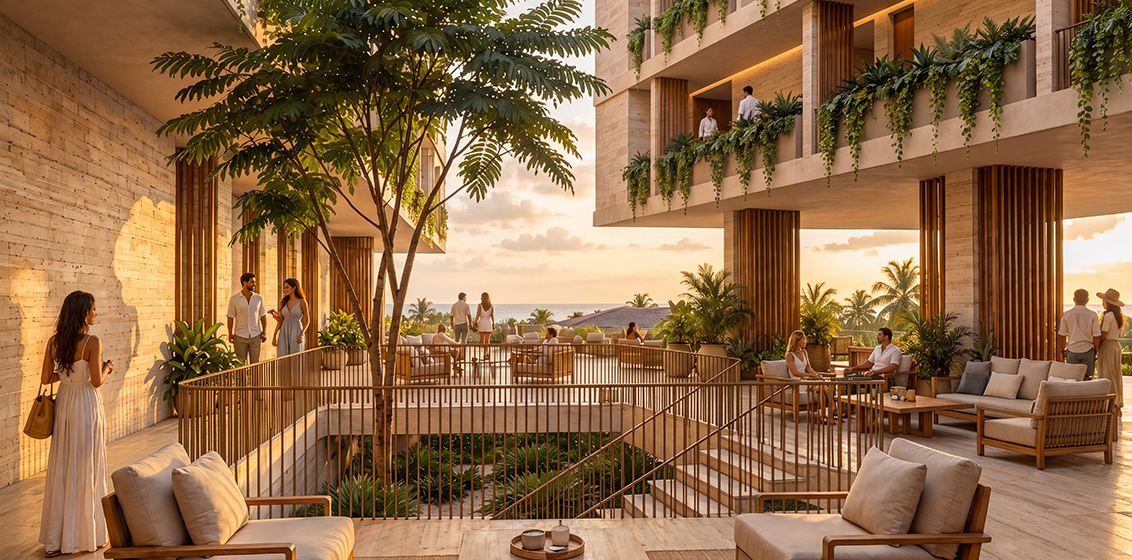
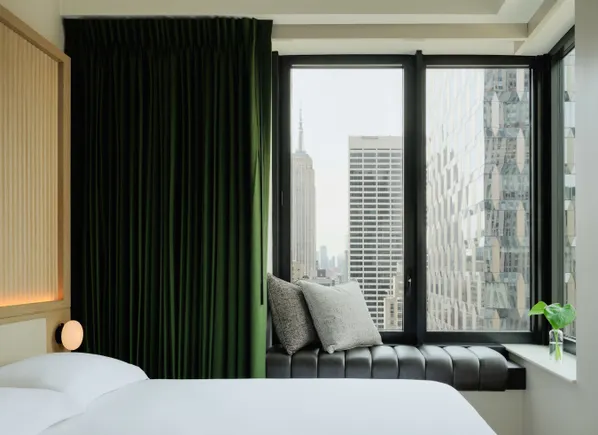
Aman’s urban expansion introduces a "vertical sanctuaries" design philosophy. Unlike traditional resorts that leverage expansive landscapes, these city properties are conceived as high-rise environments that maintain privacy, calm, and spatial harmony within dense urban settings. Key features will include minimalist architecture, residential units with hotel services, wellness amenities (spas, meditation spaces, fitness centers), and personalized service consistent with Aman’s resort standards.
A significant component of this strategy is branded residences, a segment of luxury real estate experiencing rapid growth in global cities. These residences merge private home ownership with five-star hospitality services. Demand for branded residences has surged in Dubai, Miami Beach, and Tokyo among international buyers seeking long-term luxury living with investment value. Aman differentiates itself by emphasizing privacy, architectural restraint, and wellness-driven design, appealing to those seeking discreet luxury within highly visible urban centers.
Despite the shift to urban locations, Aman maintains its core identity of simplicity, exclusivity, and harmony with surroundings. The brand’s strategy dictates that every new property, regardless of location, must function as a sanctuary. The design philosophy remains consistent: create spaces that prioritize calmness, space, and personalized attention, even when contrasting with the architectural density of traditional resort environments.
Our take: This move isn't merely expansion; it's a recalibration of Aman's brand identity. By bringing their signature serenity to bustling city centers, Aman risks diluting the very essence that made them iconic: remote exclusivity. However, by focusing on architecturally distinct 'vertical sanctuaries' and branded residences, they may capture a new generation of urban elites who crave discreet luxury and wellness within their daily metropolitan lives. The challenge will be translating the 'sense of place' intrinsic to their resorts into a high-rise.
Source : Travel And Tour World
Partager cet article