Luxury Onsen · Japan
Luxury Onsen Hotels in Japan: Private Baths, Ryokan & Modern Retreats
An onsen is a Japanese hot spring whose mineral-rich water must, by law, meet defined dissolved-mineral concentrations. The bathing ritual is silent and communal: rinse first, leave the towel out of the water, soak slowly.
We track the properties where the onsen is the experience — not an amenity. Heritage ryokan with private kashikiri baths, contemporary luxury houses (Aman Kyoto, HOSHINOYA, Roku Kyoto LXR), and the small modern retreats keeping the form alive.
9 properties listed
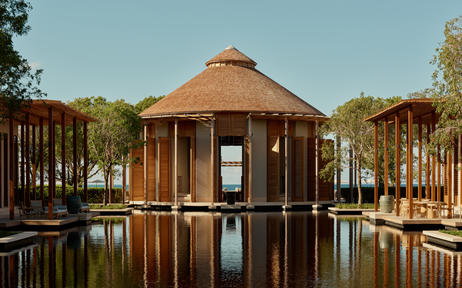 Editor verified
Aman · Kyoto, Japan
Aman Kyoto
🗝🗝🗝 Michelin5★ ForbesCheck availability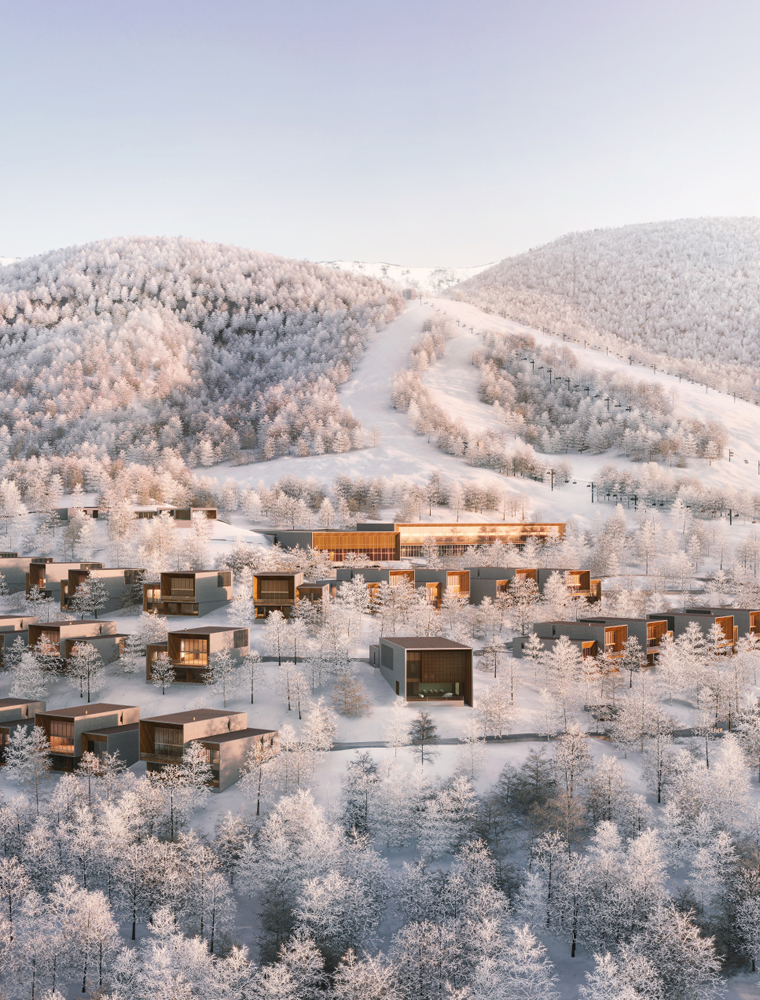 Editor verified
Aman · Niseko, Japan
Aman Niseko
🗝🗝🗝 Michelin5★ ForbesCheck availability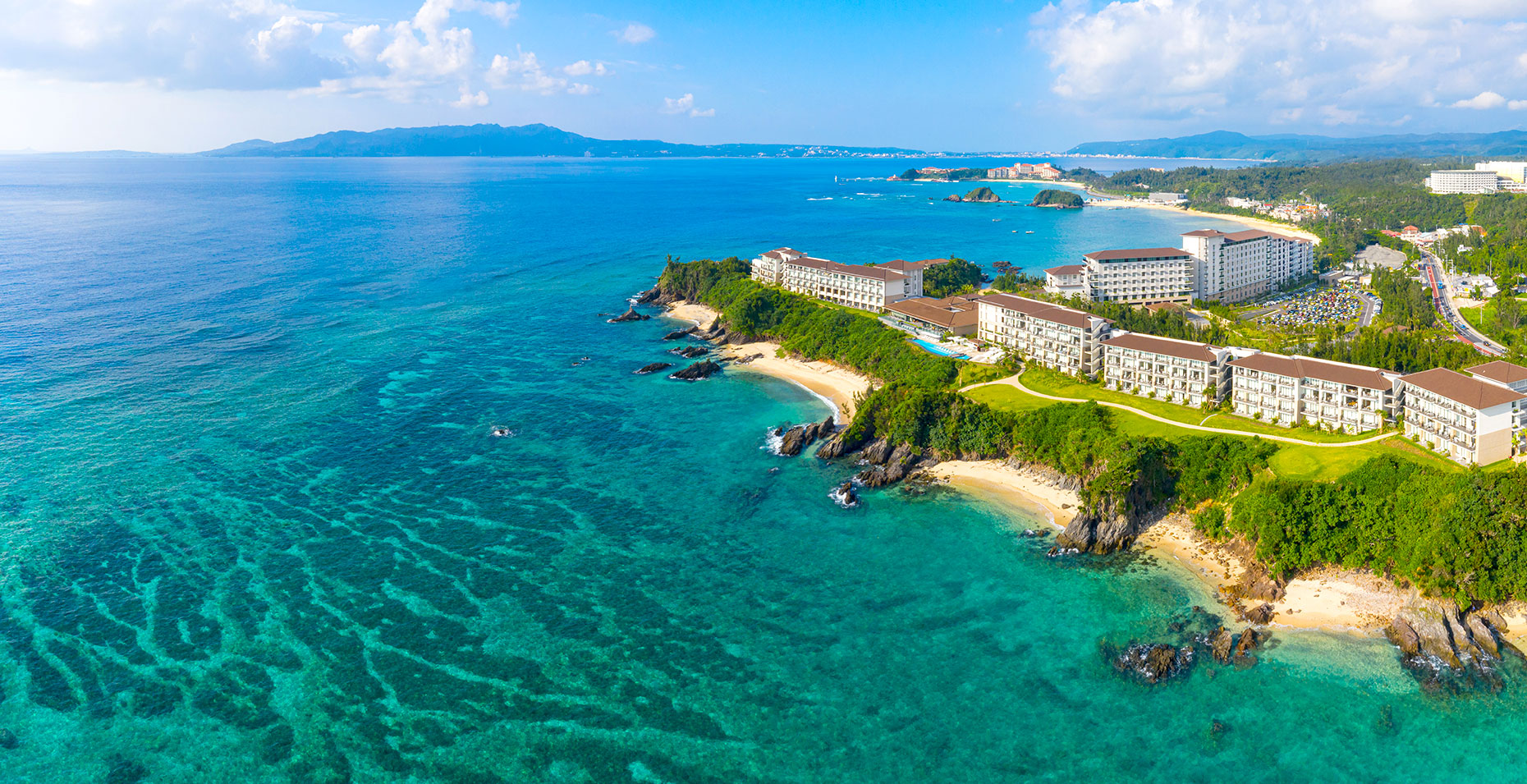 Editor verified
Halekulani · Okinawa, Japan
Halekulani Okinawa
🗝🗝 Michelin5★ ForbesCheck availability Editor verified
Hoshino Resorts · Kyoto, Japan
HOSHINOYA Kyoto
🗝🗝 Michelin5★ ForbesCheck availability Editor verified
Park Hyatt · Kyoto, Japan
Park Hyatt Kyoto
🗝🗝 Michelin5★ ForbesCheck availability- Editor verified
Hoshino Resorts · Tokyo, Japan
HOSHINOYA Tokyo
🗝 Michelin5★ ForbesCheck availability 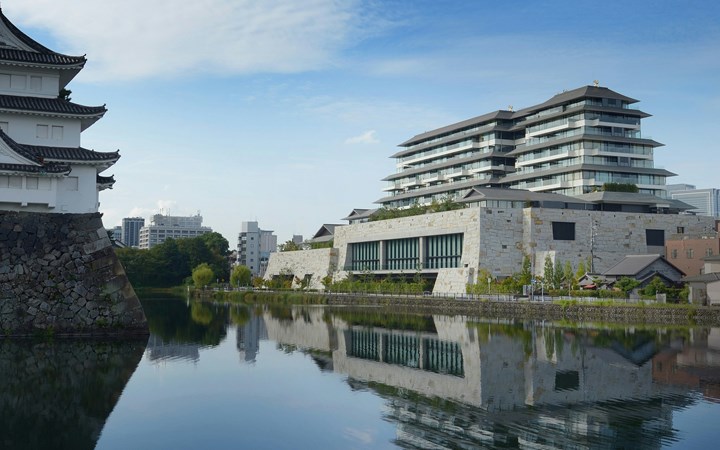 Editor verified
Nagoya, Japan
Espacio Nagoya Castle
LHWCheck availability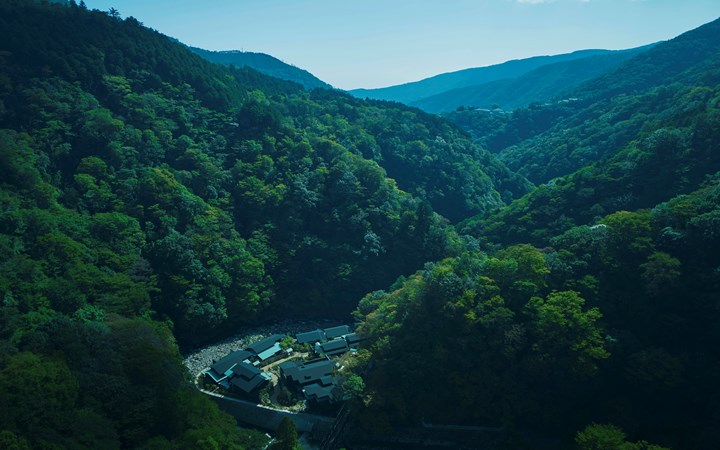 Editor verified
Ryu, Japan
Espacio The Hakone Geihinkan Rin Poh ki
LHWCheck availability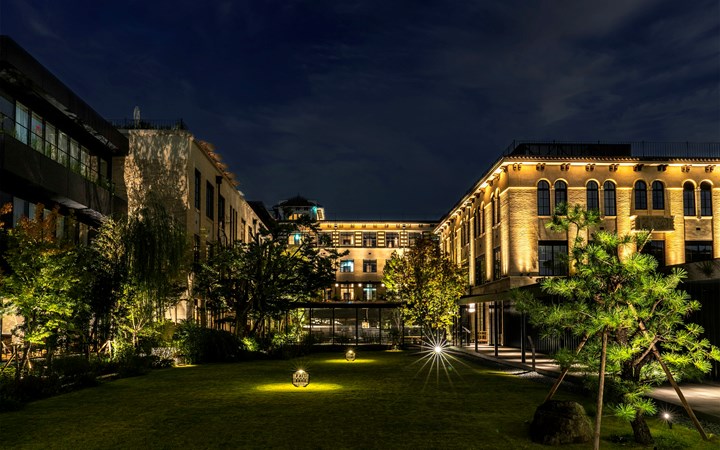 Editor verified
Kiyomizu, Japan
The Hotel Seiryu Kyoto
LHWCheck availability
The Editors Answer
Frequently asked
- What is the difference between an onsen and a sento?
- An onsen uses geothermally heated mineral spring water meeting the legal mineral content thresholds. A sento is a public bath using regular heated tap water. Both follow the same bathing etiquette, but onsen are sought for the therapeutic properties of the source water itself.
- Can I book a private onsen?
- Yes — many ryokan and luxury hotels offer kashikiri (貸切, 'rented') baths bookable by the hour, and an increasing number of suites include private in-room onsen baths fed from the same spring. The properties in this list either offer kashikiri baths or in-suite private onsen.
- Are tattoos allowed in luxury onsen?
- The traditional ban on tattoos in communal Japanese baths still applies at most heritage ryokan. Luxury hotels with private in-suite onsen sidestep the issue entirely; kashikiri (private) baths at the other properties listed here also remove the restriction.
- When is the best time to visit an onsen?
- Cold months — late October through March — are traditional onsen season, when the contrast between the cold air and the hot bath is sharpest. Hakone and Kusatsu in winter, Kyoto in late autumn, and Yufuin year-round are the safest bets.
Keep exploring
The full Sanctuary Finder
Filter the entire catalogue by Michelin Keys, Forbes stars, Regenera certification, signature rituals and more.
Open the FinderMore curated lists
Other directories from The Sanctuary
Michelin Keys
Michelin Key Hotels →
Aman · Curated List
Every Aman Property →
Four Seasons · Curated List
Every Four Seasons →
Forbes Five-Star
Forbes Five-Star Hotels →
Paris Palace Hotels
Paris Palace Hotels →
Private Onsen · Kyoto
Private Onsen, Kyoto →
Overwater · Maldives
Overwater Villas, Maldives →
Safari · Africa
Luxury Safari Lodges, Africa →
Private Islands
Private Island Resorts →