新闻 · —· (English original)
Private villas are rewriting the rules of luxury travel | The Seattle Times
Marble lobbies, exclusive addresses and posh furnishings no longer define luxury travel. Today, affluent travelers are increasingly choosing private villas, chalets and ultra-exclusive retreats over traditional five-star hotels. As privacy..., Marble lobbies, exclusive addresses

Courtesy of —
[Skip Ad](https://www.seattletimes.com/life/food-drink/private-villas-are-rewriting-the-rules-of-luxury-travel/#skip-0)
[Skip to content](https://www.seattletimes.com/life/food-drink/private-villas-are-rewriting-the-rules-of-luxury-travel/#content)

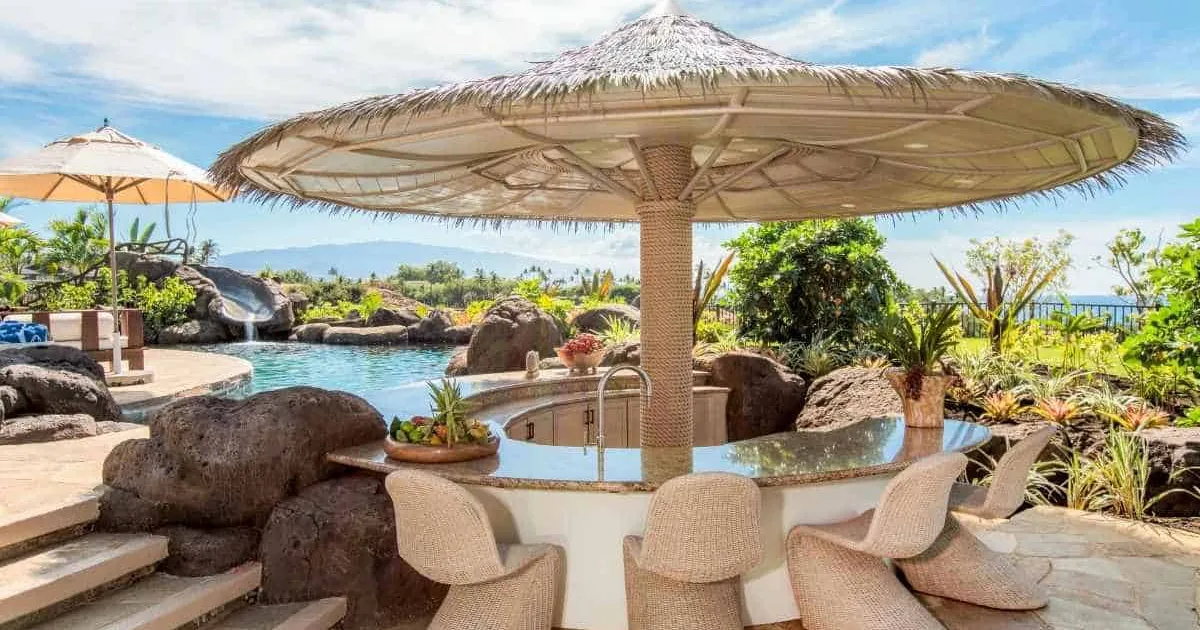
Luxury is moving behind closed doors as affluent travelers trade five-star hotels for private villas and ultra-exclusive stays. Photo credit: Hale ‘O Ka La.
[Skip Ad](https://www.seattletimes.com/life/food-drink/private-villas-are-rewriting-the-rules-of-luxury-travel/#skip-2)
[Jennifer Allen](https://www.seattletimes.com/author/jennifer-allen/)
Marble lobbies, exclusive addresses and posh furnishings no longer define luxury travel. Today, affluent travelers are increasingly choosing private villas, chalets and ultra-exclusive retreats over traditional five-star hotels. As privacy and personalization rise in priority, demand has shifted toward properties that limit access by design rather than scale for visibility.
Existing market data support this sudden change in traveler interest. The global luxury villa rental market is projected to grow at more than 7% annually through 2030, according to Allied Market Research, outpacing growth in many traditional hotel segments. Virtuoso advisor surveys and booking data show continued strength in high-end travel, with increasing demand for private accommodations suited to families and group travel. Platforms such as Airbnb Luxe and Marriott Homes & Villas have reported sustained growth in premium private stays, signaling a broader move toward properties that deliver scale, privacy and full-service experiences without the exposure of large resorts.
_What today’s luxury traveler is actually buying_
Luxury travelers no longer want to pay for just a bedroom; they want usable space. Living areas offer layouts designed for gathering, dining and spending time together rather than serving as places to sleep between activities. Private kitchens, outdoor terraces, pools and shared living rooms have become core components, allowing guests to settle into a property and operate independently.
Length of stay reinforces that preference. Longer visits favor accommodations that support flexible schedules, private dining and days that are not structured around hotel timetables. Meals take place whenever guests choose, mornings begin without interruption and service adjusts to the group rather than dictating the pace. These high-end properties are designed for continuity rather than turnover.
In addition, guests want clarity over who enters the space, how services are delivered and how visible they are during their stay. Privacy and access are built into the experience through dedicated staff, private guides or limited guest capacity. Exclusivity functions as a practical tool rather than a marketing device, ensuring consistency, discretion and trust.
_Curated collection: Ultra-private luxury escapes_
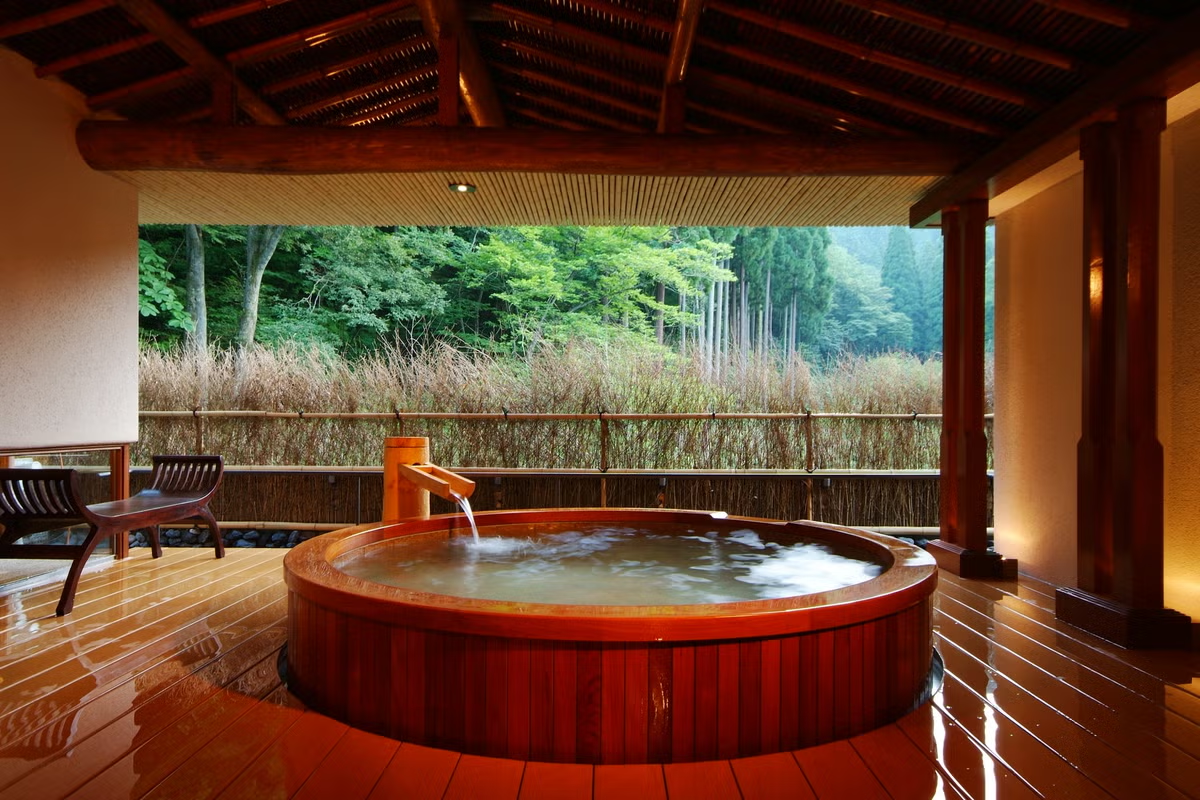
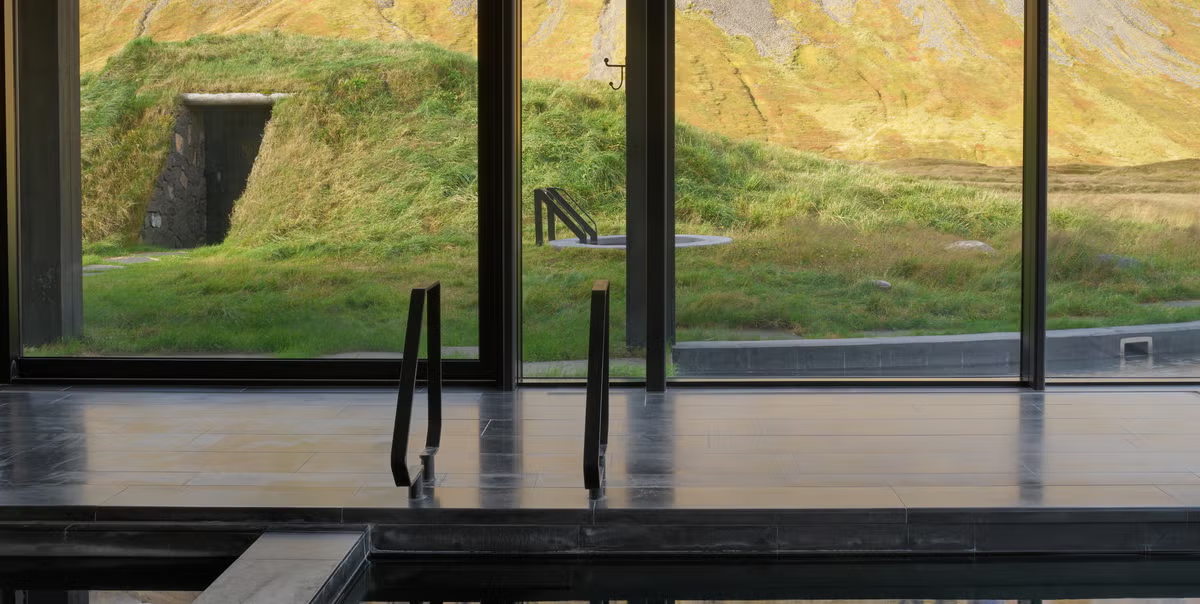
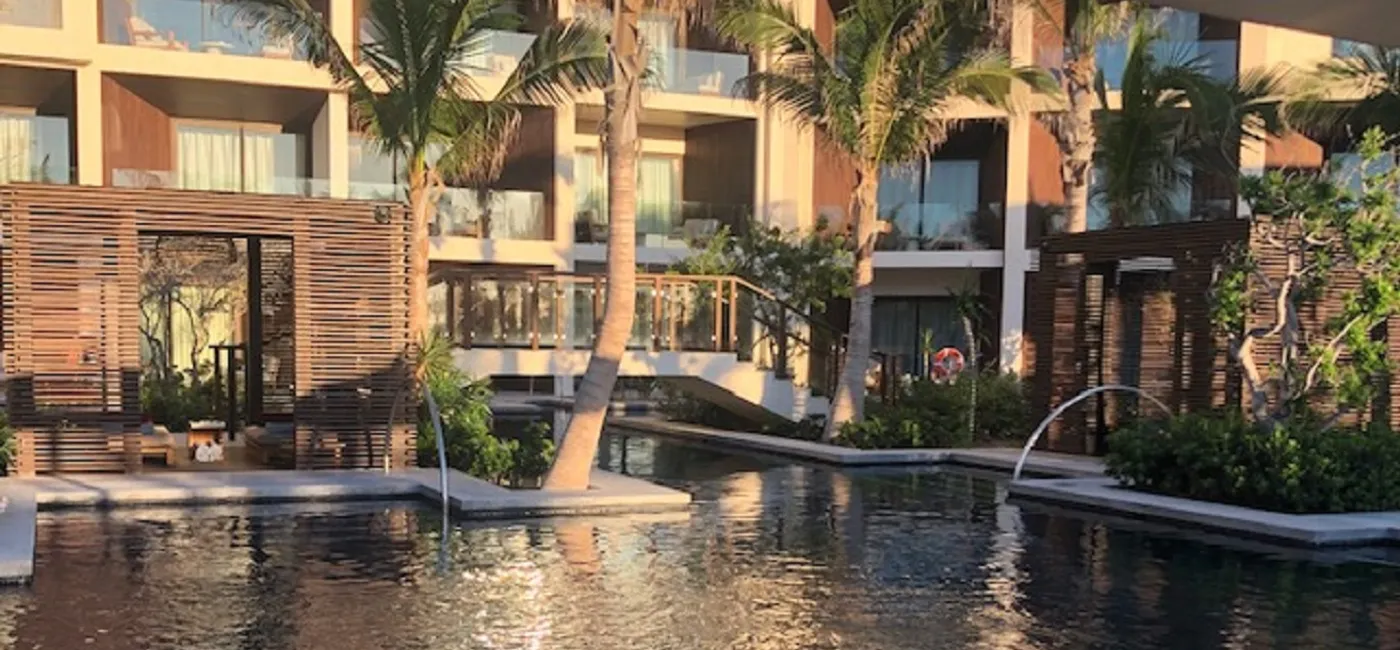
The properties below reflect how luxury travel is being redefined across regions and formats. From remote safari estates and alpine lodges to floating vessels and private urban residences, each establishment represents a different approach to the same priority: space, privacy and full-service accommodations centered on the guest rather than the brand. Together, they offer a snapshot of where high-end travel is moving and what today’s most discerning travelers expect.
Source : The Seattle Times