Analyse · Cheval Blanc· (English original)
Arnault's Empire: Beyond the Canceled Louis Vuitton Hotel
While a rumored Louis Vuitton hotel won't materialize on the Champs-Élysées, LVMH chairman Bernard Arnault quietly commands a formidable portfolio of luxury hospitality brands. His influence extends from ultra-exclusive urban palaces to iconic global journeys.
A building on the Champs-Élysées, illuminated at night, wrapped in a giant Louis Vuitton trunk facade.
Announced June 13, 2026, the anticipated Louis Vuitton hotel on the Champs-Élysées has been officially shelved. However, to focus on this singular cancellation misses the larger picture of Bernard Arnault's substantial, albeit discreet, footprint in luxury hospitality. The LVMH chairman already presides over an impressive array of esteemed hotel collections, encompassing urban palaces, legendary trains, and private island retreats. As La Revue des Hôtels notes, this empire spans Cheval Blanc, Belmond, and Bvlgari Hotels, solidifying LVMH's position with dozens of the world's most coveted addresses.
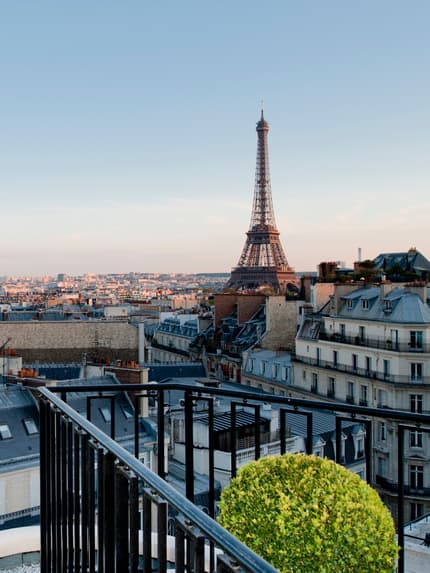
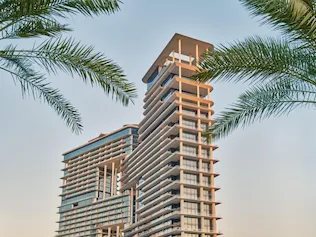
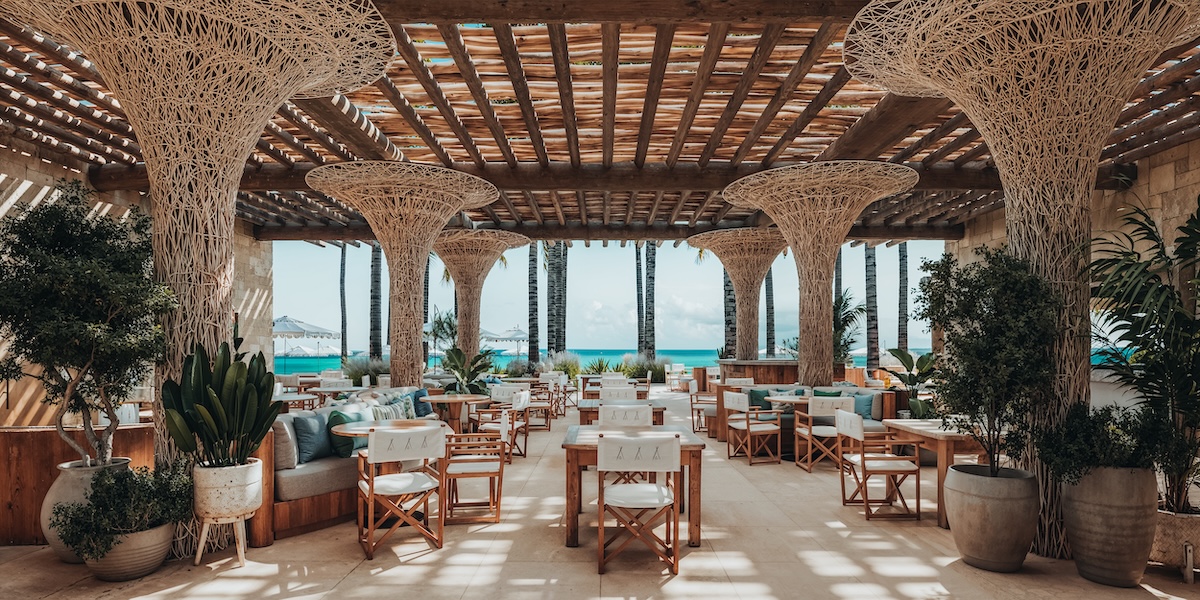
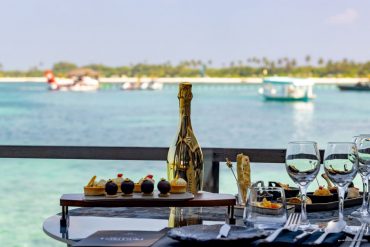
Cheval Blanc stands as the LVMH-born hotel brand, a particularly personal venture for Arnault. Each of its five current addresses operates as an ultra-exclusive haven. The collection originated in Courchevel in 2006, expanding to the Randheli Atoll in the Maldives in 2013, followed by Saint-Barthélemy in 2014. Saint-Tropez joined the portfolio in 2019, transforming the storied Résidence de la Pinède. The Parisian flagship, Cheval Blanc Paris, opened in September 2021 within La Samaritaine and quickly earned critical acclaim, including Michelin Guide accolades.
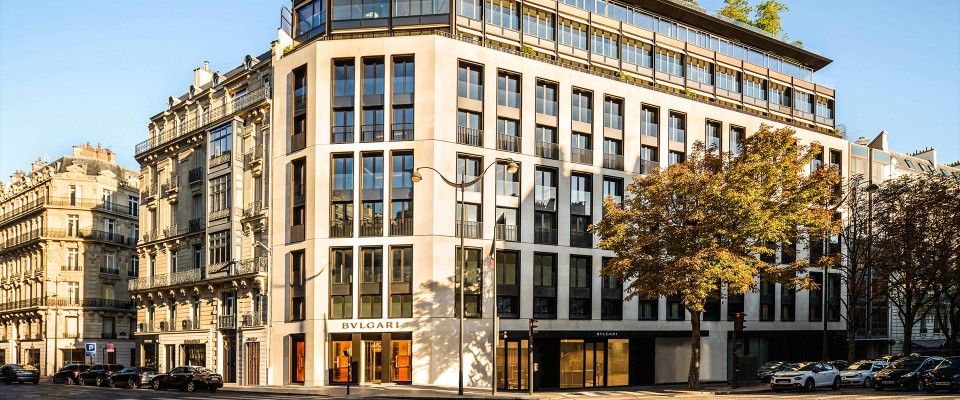
LVMH further expanded its reach with the 2018 acquisition of Belmond for $2.6 billion, adding forty-six properties. This significant purchase brought iconic assets like the Venice Simplon-Orient-Express train into the LVMH fold. The Bvlgari hotel collection, integrated following the Roman jeweler's acquisition in 2011, has grown to include prime locations in global cities, notably securing 'Palace' distinction for its Paris property. The proposed Louis Vuitton hotel, initially envisioned as a 6,000 sq m luxury destination, ultimately will not proceed, but its absence does little to diminish Arnault's expansive presence in the high-end hospitality sector.
Our take: The market's fixation on a potential Louis Vuitton hotel perhaps obscured the reality that LVMH's hospitality play has long been mature, diverse, and aggressively expanding. Arnault has meticulously curated a portfolio that prioritizes exclusivity and brand heritage, rather than simply leveraging the most recognizable fashion label. This strategic depth ensures a commanding, long-term position in luxury travel, far beyond any single project.
Diesen Artikel teilen