News · —
Turtle Bay Resort Faces Legal Challenge Over Proposed Expansion
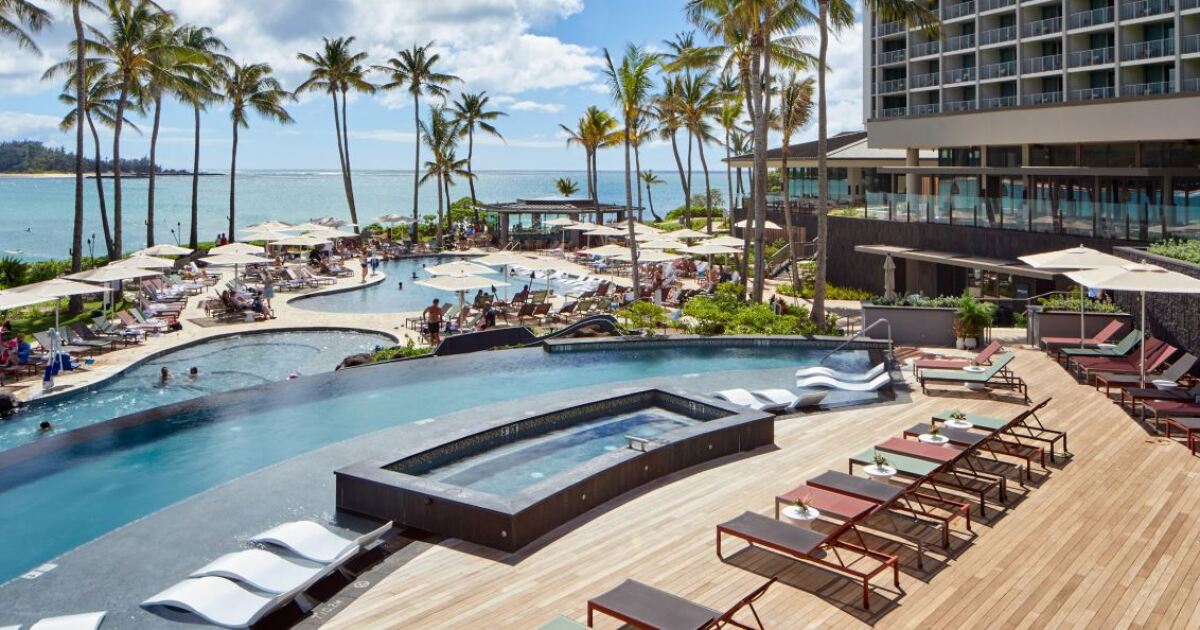
A grassroots organization has filed a lawsuit against the development of an additional luxury resort on the Ritz-Carlton's Turtle Bay property in Oʻahu. They cite environmental concerns and the use of an outdated impact assessment.
Courtesy Turtle Bay Resort
A proposed development for a second luxury resort on the Ritz-Carlton’s Turtle Bay property in Oʻahu faces legal challenge, with a lawsuit filed by local activist groups now proceeding to court. The legal action, initiated by Kūpaʻa Kuilima and Earthjustice, seeks to halt the planned construction.
Https://www.hawaiipublicradio.org/people/kevin-allen of Hawaiʻi Public Radio reported on April 22, 2026, that the core of the lawsuit contends that Host Hotels & Resorts, Inc., the property owners, are relying upon an environmental impact survey from 2013, which Kūpaʻa Kuilima deems outdated. According to Https://www.hawaiipublicradio.org/people/kevin-allen, the organizations argue that this earlier assessment fails to account for significant ecological changes in the area. These include a recent increase in monk seal pupping, expanded albatross nesting activity, and the documented presence of the endangered yellow-faced bee, known locally as the nalo meli maoli.
Lillie Makaila, a board member for Kūpaʻa Kuilima, conveyed to Https://www.hawaiipublicradio.org/people/kevin-allen that the group is not inherently against development, but advocates for 'pono development.' Makaila described this as 'thoughtful, mindful, community-inclusive types of development' that respects all local resources, including native species and Indigenous communities. Makaila further noted that previous discussions with representatives from Host Hotels & Resorts had emphasized the need for updated studies, making the current path to seek an exemption from such assessments a 'super disappointed' outcome for the community.
Our take: The increasing scrutiny over environmental impact assessments, particularly in ecologically sensitive destinations, underscores a global shift towards a more conscientious approach to luxury development. Properties aiming for a considered integration within their natural and cultural landscapes are finding that thorough, contemporary ecological surveys and meaningful community engagement are no longer discretionary but fundamental to project viability and long-term acceptance. This case reflects a broader trend of local stakeholders demanding greater accountability from developers, especially concerning biodiversity and indigenous heritage.
Source : Hawai'i Public Radio
Share this story