News · Mandarin Oriental
Miami's Mandarin Oriental Demolished for New Twin-Tower Development
After 26 years on Brickell Key, The Mandarin Oriental, Miami, has been razed to make way for a new iteration. The Residences at Mandarin Oriental, Miami, envisions an ultraluxury hotel and residential complex.
Courtesy of Mandarin Oriental
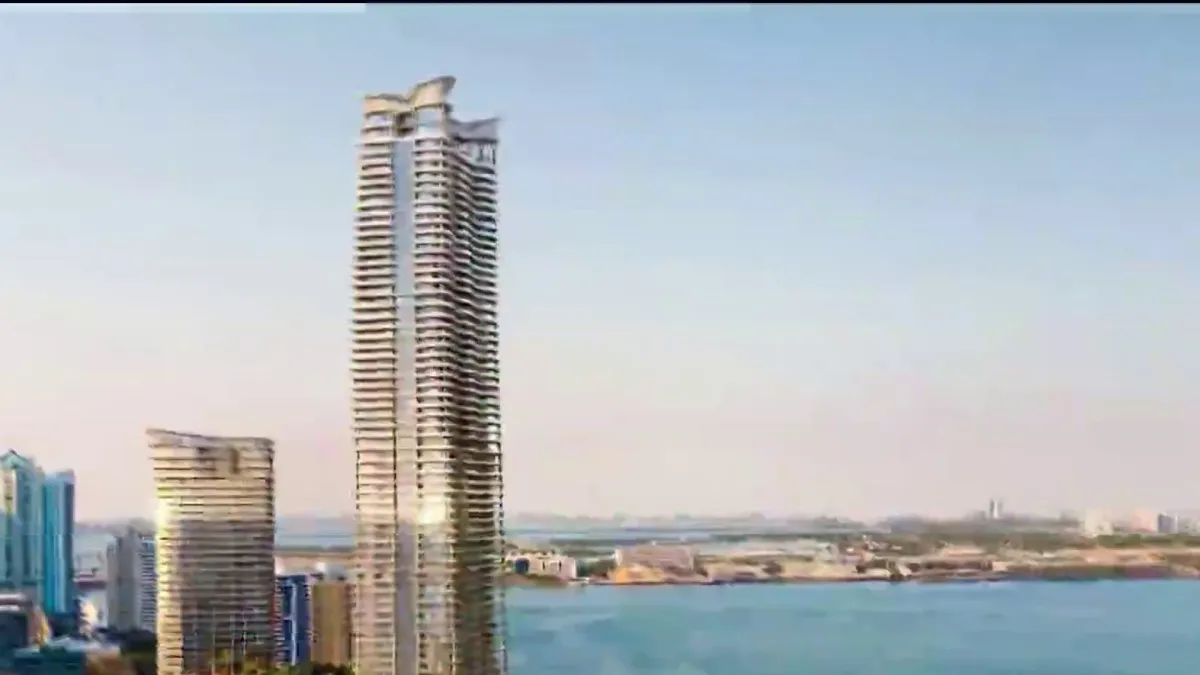
The Mandarin Oriental, Miami, a fixture on Brickell Key since its opening in 2000, was demolished on a recent Sunday. This event paves the way for a new development titled The Residences at Mandarin Oriental, Miami, a two-tower ultraluxury hotel and residential project slated for completion in 2030.
NBC 6 South Florida reports that, according to Swire Properties, the demolition facilitates the groundbreaking of this expansive new complex. The original 23-story hotel was known as a destination for notable figures and a culinary hub, hosting acclaimed restaurants such as La Mar and Azul, the outlet notes.
The forthcoming development, as detailed by NBC 6 South Florida, promises a significant increase in scale. It will feature a 66-story South Tower encompassing 228 private residences. The North Tower, standing 34 stories, will house 70 private residences, 28 'turnkey Hotel Collection residences', and 121 hotel guestrooms. The outlet adds that the implosion itself was the culmination of nearly two years of meticulous planning and coordination with specialist contractors and city officials, deemed by developers 'the safest and most efficient method' to adhere to the project timeline while minimizing disruption to the Brickell Key community.
The event drew spectators, with NBC 6 South Florida describing a 'massive cloud of dust' rolling across the water. For many observers, the demolition was perceived as a moment of local history. One anonymous spectator quoted by NBC 6 South Florida remarked, 'It's just iconic, it's just history, it's been here forever, and now this implosion, it's interesting.' Another individual expressed a sense of loss to the outlet, stating, 'We all met there... We all started our, we launched our careers there, and so I think it's just sad to see it go. I mean, you know, just the end of an era for us.'
Our take: The strategic decision to replace an established luxury property with a larger, mixed-use development reflects a broader trend of densification and branded residences in prime urban locations. The extended timeline to 2030 speaks to the complexity and ambition of projects of this magnitude, particularly in a dynamic market like Miami. The integration of hotel services with private ownership continues to be a compelling model for high-net-worth individuals seeking both an exclusive address and the conveniences of a luxury hospitality brand.
Source : NBC 6 South Florida
Share this story