Analyse · Bulgari Hotels· (English original)
Bulgari Tokyo: A Case Study in Brand Dilution
Bulgari's luxury hotel ventures often command attention. Yet, the brand's latest Tokyo outpost, while centrally located, falls into a troubling trap of blending rather than asserting. This isn't just about design; it's about a brand's core identity.

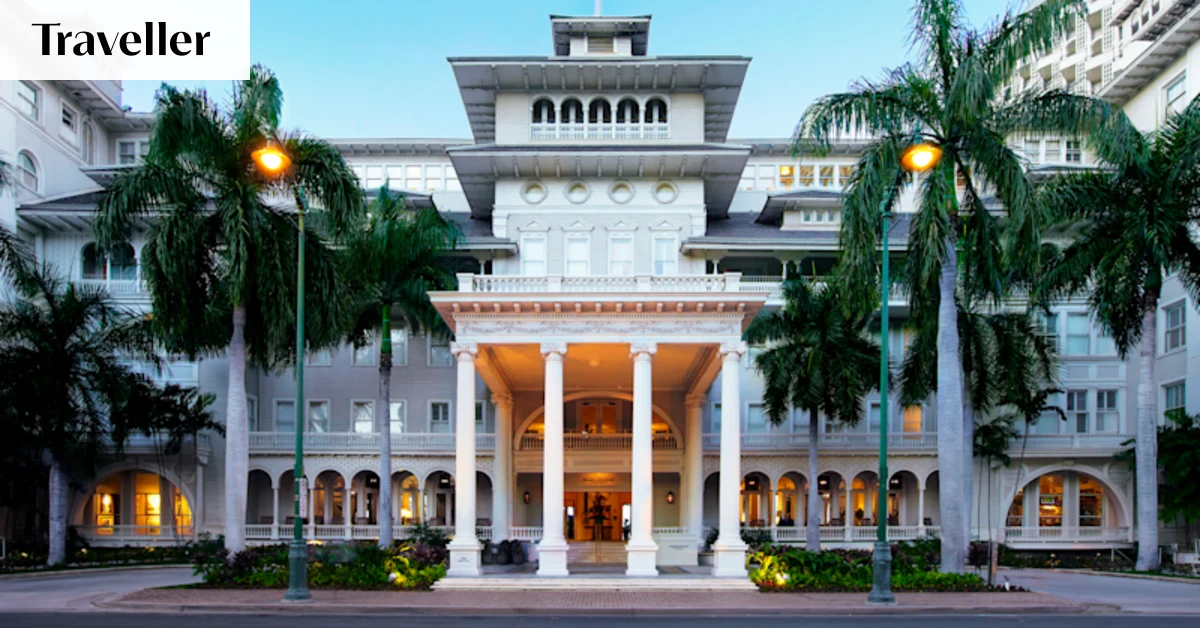
Exterior view of the Bulgari Hotel Tokyo at dusk, with city lights reflecting on its modern facade
Bulgari's presence in Tokyo, announced this week, marks another expansion into the hyper-competitive luxury hospitality market. The property, situated in a prime Ginza location, attempts to fuse Italian design sensibilities with Japanese craftsmanship. This approach, while theoretically appealing, raises questions about distinctiveness and whether the brand is truly pushing boundaries or simply becoming another luxury offering.
Forbes' senior travel editor describes the hotel as a "seamless blend," a phrase that often signals a lack of strong, identifiable character in the pursuit of broad appeal. While many sources laud the hotel's central location, mere proximity to key areas no longer suffices in a market saturated with high-end options. For a brand like Bulgari, known for its bold jewelry, a luxury hotel ought to be an extension of that audacity, not a homogenization.
Source : Forbes
Diesen Artikel teilen