Analysis · Aman
Aman Resorts: Evaluating the Evolution of a Luxury Hospitality Brand
We delve into the enduring philosophy and recent shifts of Aman Resorts, a brand synonymous with discreet luxury sanctuaries. A recent analysis by One Mile at a Time provides a timely perspective on its trajectory.
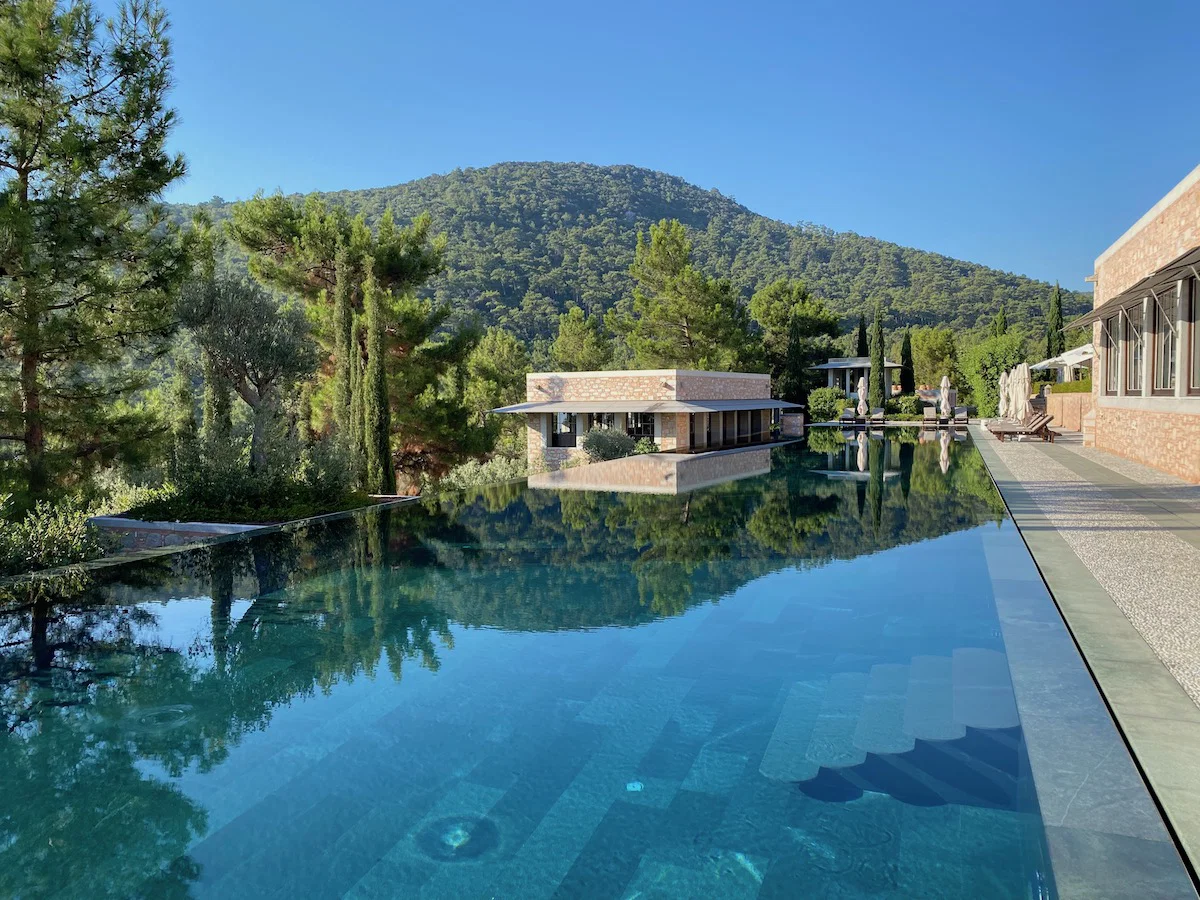
Courtesy of Aman
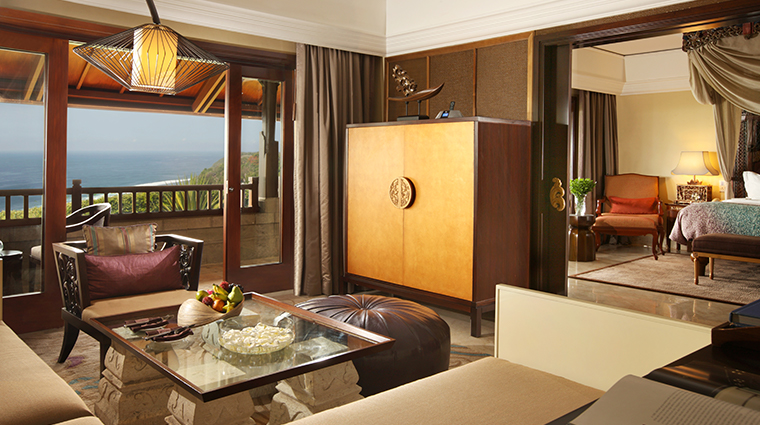
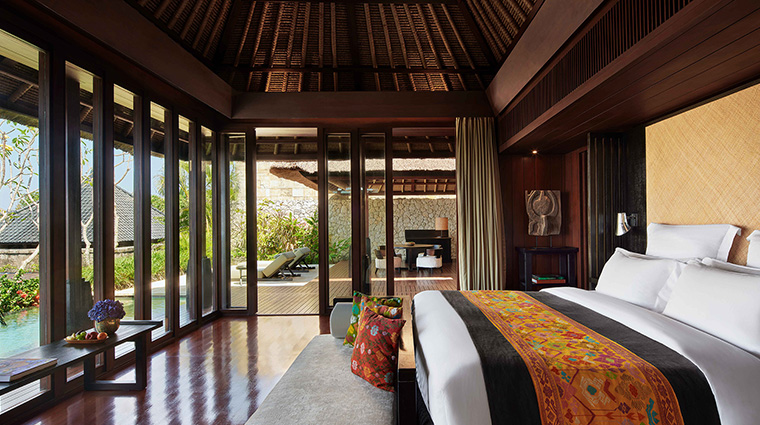
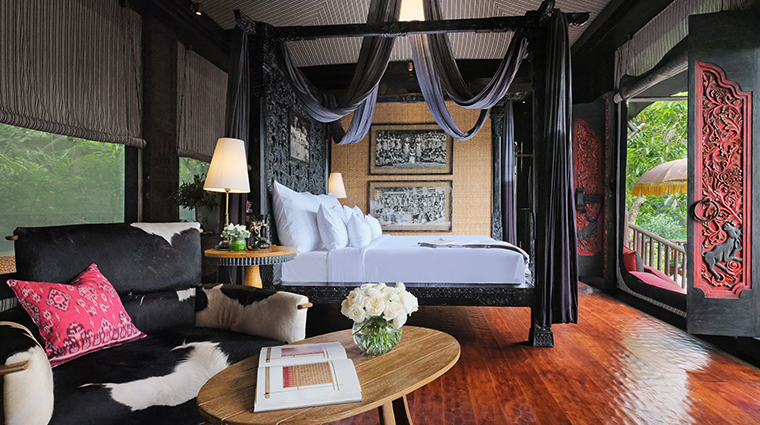
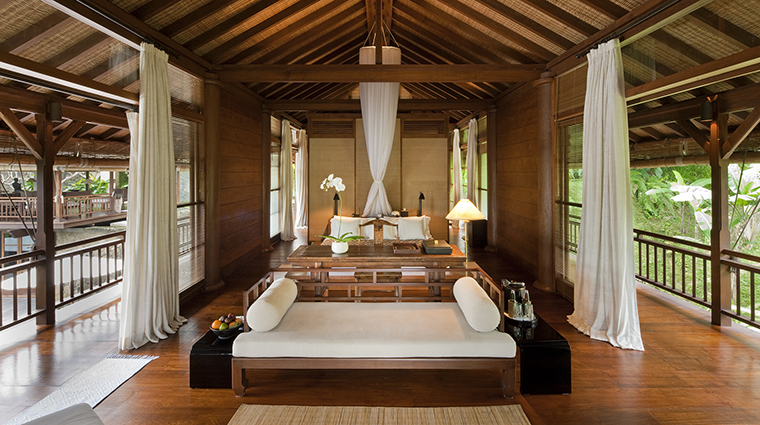
Aman Resorts, a name globally recognized for its distinctive approach to luxury hospitality, continues to be a bellwether in the ultra-luxury segment. Founded in 1988, the brand, whose name translates to 'peace' in Sanskrit, has cultivated a reputation for properties that prioritize serenity, thoughtful design, and a deeply integrated sense of place.
Examining the brand's distinguished history, Ben Schlappig of One Mile at a Time posits that Aman is 'unarguably one of the world’s most well-regarded hospitality brands,' currently operating approximately 35 properties. According to Schlappig, the essence of Aman lies in its singular philosophy, conceived by founder Adrian Zecha. Schlappig characterizes Zecha as 'arguably one of the most passionate and brilliant people the hospitality industry has ever seen,' emphasizing that understanding Zecha is crucial to grasping the brand's original intent.
Schlappig details Zecha's professional journey, commencing in journalism at Time magazine before launching Asia Magazine in 1961. His foray into hotels began in the 1970s, assisting Marriott with land deals in Asia—a somewhat ironic beginning, given that, as Schlappig writes, 'Aman is kind of the anti-Marriott of hotel groups.' Zecha was also instrumental in founding Regent Hotels, divesting his stake once the brand reached 12 properties.
The genesis of Aman itself, Ben Schlappig reports, arose from Zecha's initial intention to build a vacation home in Phuket, Thailand. Discovering an exceptional plot of land, he ultimately opted to develop a 'boutique luxury hotel' instead, yielding Amanpuri, the brand's inaugural 40-room property, which opened in 1988. This was swiftly followed by Amandari in Bali, Indonesia, in 1989. The core tenet, as Schlappig interprets Zecha's vision, was to create resorts that feel akin to a private residence, emphasizing 'peaceful sanctuaries' where 'less is more,' consciously eschewing ostentatious opulence.
Further, Ben Schlappig notes that Aman purposefully sought out unique and often 'off the beaten path' locations, a strategy that distinguished its properties from more conventional luxury offerings. The brand's approach, they contend, offered 'a unique approach to hospitality that you wouldn’t find at any other brand.'
Our take: Aman's consistent focus on architecturally significant, contextually sensitive design and an almost monastic sense of calm set an industry benchmark that many have since emulated but few have truly matched. The emphasis on discreet, anticipatory service, combined with spa and wellness offerings that are often holistic and deeply rooted in local traditions, remains a cornerstone of the brand's allure. The trajectory explored by One Mile at a Time prompts a broader discussion on how enduring luxury brands navigate expansion while preserving their foundational ethos.
Source : One Mile at a Time
Share this story